Vegan Leather? What Is It?
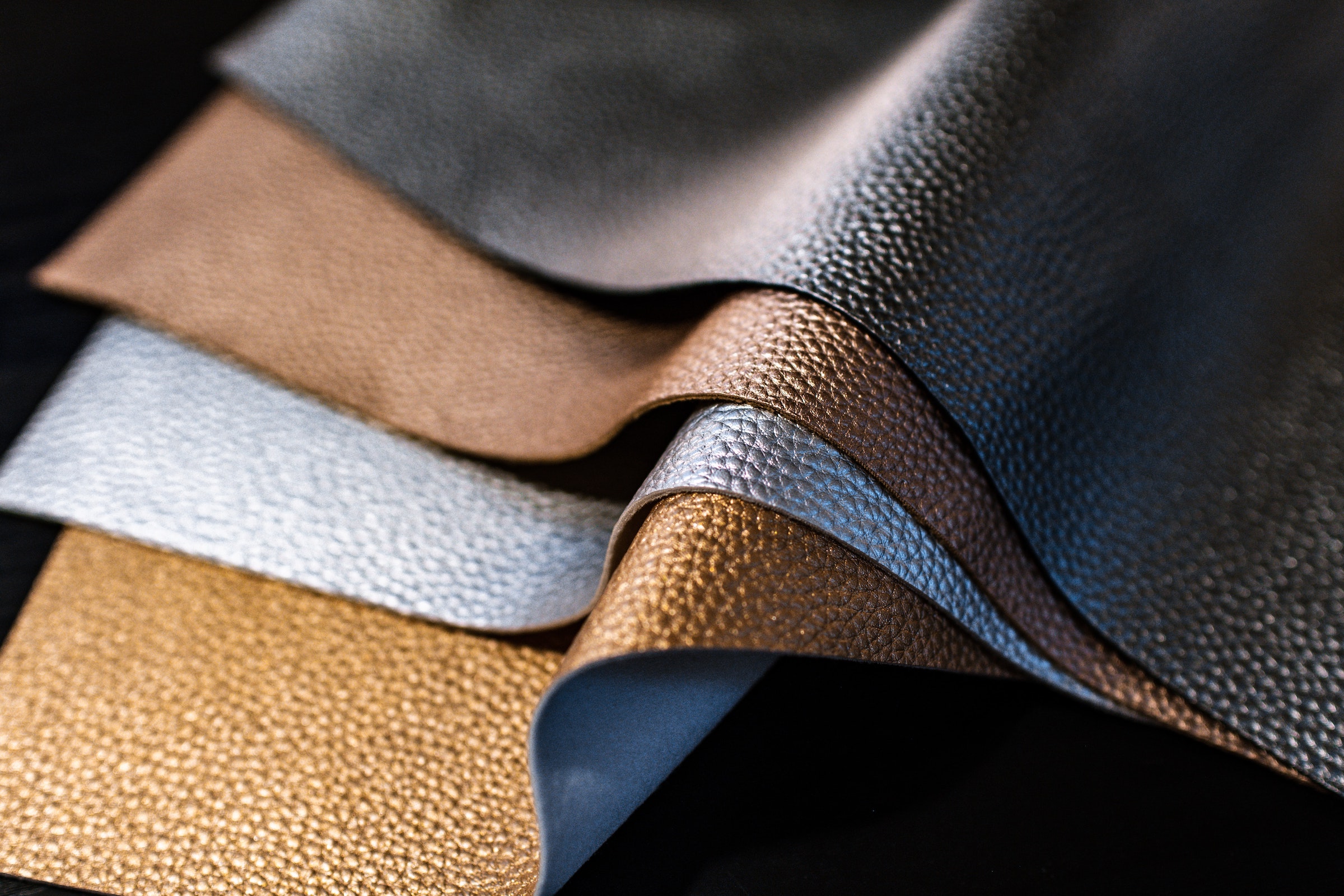
According to the animal rights activists at PETA, vegan leather is essentially the best thing since sliced bread. Other sources, however, such as writers at ABC News Australia and the Sydney Morning Herald, contend that this material is made from substances that could be dangerous to the environment and your health. But what exactly is vegan leather, and does it belong in your closet or on your living room furniture?
Vegan Leather Defined
Vegan leather is any substance that mimics the feel and appearance of leather without being made from animal products. Real leather is made from animal hides, such as cowhide, that are dried and treated until they are soft, strong, and resistant to wear and tear.
Vegan leather manufacturers would like you to believe that this substance is just as strong and comfortable as real leather, but most savvy furniture and accessory connoisseurs can immediately tell the difference between these materials. For starters, vegan leather tends to cling to your skin, and it just isn't as comfortable as the real thing.
Still, many vegans, vegetarians, and animal rights advocates maintain the position that harvesting leather from animals is wrong. It's true that gone are the days in which people only took what they needed and treated the animals they harvested with respect; much of today's leather is made on factory farms where cows and other animals are treated like objects.
No matter how you slice it, however, there's nothing like real leather, and there are a number of other reasons why vegan leather, which is also known as pleather, hasn't completely eradicated real leather from the consumer market.
How Is Vegan Leather Made?
If pleather was made with organic ingredients that didn't impact the environment, it's likely that real leather would already be a thing of the past. However, vegan leather is usually made from PVC or polyurethane, which are types of plastics. Like other plastics, PVC and polyurethane inevitably end up in the landfill when they're no longer needed, which has led some environmental activists to wonder if organizations like PETA are being somewhat overzealous when they promote the benefits of faux leather.
However, the story of vegan leather isn't all bad. Noting these issues with the pleather market, some manufacturers have figured out new ways to avoid using animal products without harming the environment or the bodies of their customers. These days, animal advocates have their pick between eco-friendly faux leather brands that are made with substances like vegetable oils instead of petroleum oil.
Other vegan leather products are mostly biodegradable, which eliminates the concern that used pleather jackets and furniture will fill up landfills for centuries to come. Some vegan leather entrepreneurs have even developed leather-like materials that are made from glazed cotton, cork, and barkcloth.
Vegan Leather Pros and Cons
Here are some of the pros and cons of faux leather:
Pros
- Price: Like it or not, real leather is expensive. In addition, not all leather is made equal, which means that some forms of this animal substance cost much more than the base price. Early on, the price discrepancy between real leather and faux leather was one of the main selling points of this synthetic alternative, and it remains true to this day that vegan leather costs less than normal leather. However, if you go for one of the new non-plastic types of vegan leather, you might end up paying nearly as much as you'd shell out for the genuine article.
- Animal rights: We would all like to consider ourselves compassionate, and it's undeniably true that animals have feelings. Human beings often treat animals very cruelly, and whether or not you're on board with the plastic origins of most types of faux leather, at least you know that no animals were hurt to make your new furniture set when you buy pleather.
- Color selection: Unlike real leather, which is limited to the color of the hide from which it is produced, pleather can be made in practically any color of the rainbow. It's true that you can dye real leather, but colors often look brighter on pleather than they do on leather.
- Evolving industry: While PVC-derived pleather products like Naugahyde have gotten a bad rap in recent years, animal-friendly furniture and garment manufacturers seem to have gotten with the program to some extent. There are now plenty of eco-friendly (or friendlier) options on the market when it comes to pleather, so you should really check out the newest innovations in this industry before you discount faux leather entirely.
Cons
- Toxicity concerns: There are concerns that both PVC and polyurethane are toxic. Children are more sensitive to polyurethane in adults, and experts believe that this substance can cause asthma. In addition, PVC contains a variety of chemical additives like phthalates, lead, and cadmium, which are all considered to be toxic.
- Environmental concerns: Unlike real leather, most types of pleather are not biodegradable. In addition, while the leather manufacturing process is a closed circuit, making faux leather is a one-way road.
Vegan Leather: The Bottom Line
If you want to avoid hurting animals but you also don't want to hurt yourself, you'll need to do your homework before selecting vegan leather furniture for your dining room or home office. As you pick out vegan leather products, you may even want to reach out to the company that made these products to inquire into their manufacturing processes. On its face, vegan leather presents a promising alternative to supporting a leather industry that is rife with misconduct and ethical concerns. However, fixing one problem often creates another one to replace it, so exercise your best consumer discernment before you bring vegan leather products into your home.


