Maximizing Style: Interior Designs for Small Spaces
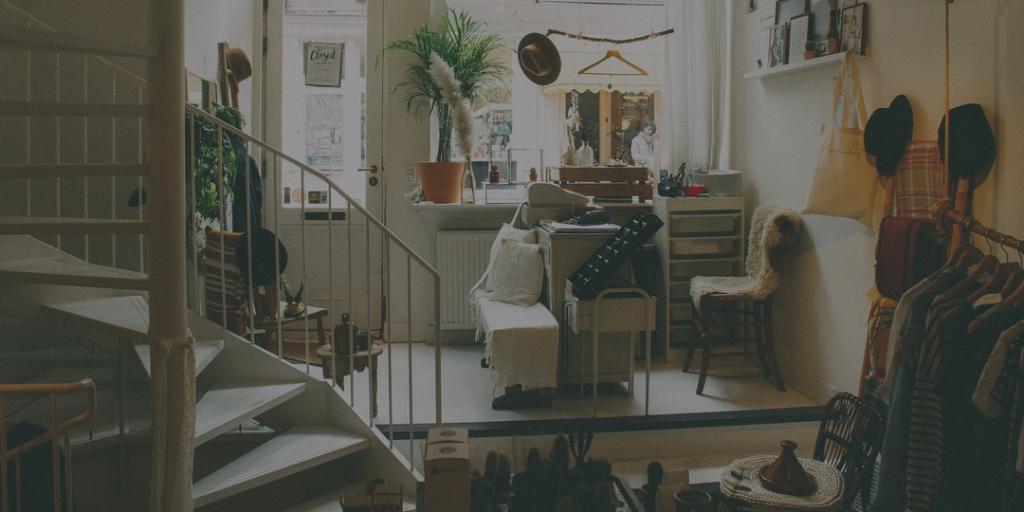
Living in a cozy apartment or having a compact room doesn't mean sacrificing style and functionality. With clever design choices and strategic layouts, even the smallest spaces can be transformed into inviting and stylish retreats. In this blog, we'll explore some ingenious interior designs tailored specifically for small spaces.
Embrace Minimalism
When space is limited, less is often more. Opt for a minimalist approach to interior design, focusing on clean lines, simple furniture, and a clutter-free environment. Choose multifunctional pieces that serve dual purposes, such as a storage ottoman or a sofa bed. By keeping the space uncluttered, you'll create an illusion of more space and make the room feel airy and expansive.Lighten Up
Lighting plays a crucial role in enhancing the perception of space. Maximize natural light by keeping window treatments sheer or opting for blinds that can be fully opened during the day. In addition to natural light, incorporate plenty of artificial lighting with overhead fixtures, wall sconces, and table lamps. A well-lit room not only feels larger but also creates a warm and inviting atmosphere.Optimize Storage
Effective storage solutions are essential for small spaces to stay organized and clutter-free. Look for furniture with built-in storage, such as beds with drawers underneath or coffee tables with hidden compartments. Utilize vertical space by installing shelves or floating cabinets to keep belongings off the floor and visually expand the room. Get creative with storage solutions to make the most of every inch available.Utilize Mirrors
Mirrors are a secret weapon in small space design, as they reflect light and create the illusion of depth. Hang a large mirror opposite a window to amplify natural light and make the room appear more spacious. Consider using mirrored furniture or incorporating mirrored accents like side tables or decorative pieces to add sparkle and visual interest to the space.Go Vertical
When floor space is limited, think vertically. Invest in tall bookcases or shelving units to maximize storage without taking up valuable square footage. Consider installing floor-to-ceiling curtains to draw the eye upward and create the illusion of higher ceilings. Vertical lines in wallpaper or paint can also elongate the walls and make the room feel taller and more expansive.Choose the Right Furniture
In small spaces, it's essential to choose furniture wisely. Opt for pieces that are appropriately scaled to the room and avoid bulky, oversized furniture that will overwhelm the space. Look for furniture with slim profiles and legs that lift it off the floor, creating a sense of openness. Consider investing in furniture that can be easily rearranged or folded away when not in use to maximize flexibility.Embrace Dual Functionality
Make every piece of furniture count by opting for items that serve multiple purposes. A sleeper sofa can provide comfortable seating during the day and transform into a bed for overnight guests. A dining table with drop leaves can be expanded when needed and folded down to save space when not in use. By embracing dual functionality, you can maximize the utility of your small space without sacrificing style.Create Zones
Even in a small space, it's possible to create distinct zones for different activities. Use area rugs or furniture placement to define separate areas for lounging, dining, and working. By delineating zones, you'll create a sense of order and purpose in the space, making it feel larger and more cohesive.Add Strategic Accents
Incorporate strategic accents to personalize and enhance your small space. Choose a cohesive color palette to tie the room together and create visual continuity. Add pops of color with throw pillows, rugs, and artwork to inject personality and interest into the space. Selecting the right accessories can elevate the design of your small space and make it feel like home.Keep It Cohesive
Finally, maintain a cohesive design throughout your small space to create a harmonious and visually pleasing environment. Choose furniture and decor that complement each other in style, scale, and color. Avoid overwhelming the space with too many conflicting elements, and aim for a balanced and unified look that maximizes both style and functionality. In conclusion, designing for small spaces requires creativity, strategic thinking, and a willingness to think outside the box. By embracing minimalism, maximizing light, optimizing storage, and incorporating smart design choices, you can transform even the tiniest of spaces into stylish and inviting retreats. With these interior designs for small spaces, you can make the most of every square inch and create a home that feels spacious, comfortable, and uniquely yours.
Recent Posts


