How to Design A Home On A Budget?
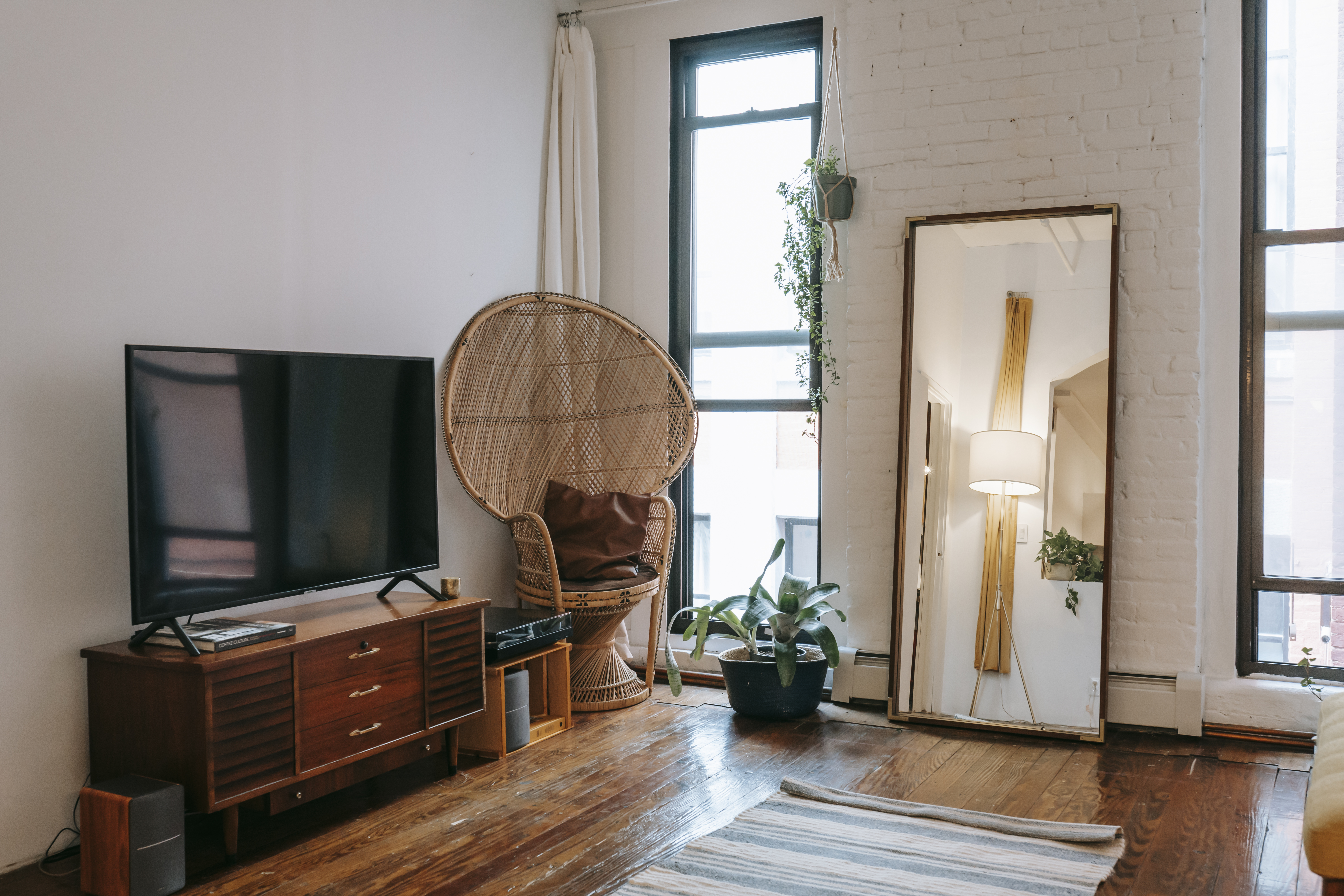
Designing your dream home doesn't have to break the bank. With some careful planning, creativity, and a little bit of resourcefulness, you can create a stylish and inviting living space that reflects your personal taste, even on a tight budget. In this article, we will explore some practical and innovative tips to help you design a home that is both beautiful and affordable, proving that luxury can be achieved without compromising your financial limits.
- Set a Realistic Budget:
The first step in designing a home on a budget is to establish a realistic financial plan. Determine how much you can comfortably spend on each aspect of your project, including furniture, décor, and renovations. Research the average costs of materials and services in your area to get a sense of what is feasible. Having a well-defined budget will guide your decisions and prevent overspending.
- Prioritize and Plan:
Prioritization is key when working with a limited budget. Identify the areas or elements of your home that are most important to you and allocate a larger portion of your budget accordingly. For example, if you love entertaining, investing in a comfortable seating area or a dining set might take precedence over other decorative items. Plan and make a list of your priorities to stay focused and avoid unnecessary expenses.
- Embrace DIY and Upcycling:
One of the most effective ways to save money while designing your home is to embrace the do-it-yourself (DIY) approach and upcycling. Get creative and repurpose items you already own or explore thrift stores, flea markets, and online platforms for affordable treasures. Consider painting and refurbishing furniture to give them a new lease on life. DIY projects not only save money but also add a personal touch and sense of accomplishment to your space.
- Opt for Affordable Alternatives:
When it comes to furniture and décor, affordable options are plentiful. Look for budget-friendly alternatives such as flat-pack furniture, which can be easily assembled and customized. Explore online marketplaces and local sales for discounted or secondhand items. Consider renting furniture for temporary needs or exploring furniture rental services. Mixing high and low-end pieces can also create an eclectic and stylish look without breaking the bank.
- Focus on Paint and Lighting:
Two elements that can significantly transform a space on a budget are paint and lighting. A fresh coat of paint in a well-chosen color can instantly revitalize a room and create a new atmosphere. Opt for neutral tones or bold accents that reflect your style. Additionally, strategic lighting can enhance the ambiance and functionality of a space. Explore cost-effective lighting options, such as LED bulbs and affordable fixtures, to create a warm and inviting environment.
- Maximize Storage and Organization:
An organized and clutter-free home not only looks better but also feels more spacious and inviting. Maximize storage solutions by utilizing vertical space, investing in multipurpose furniture, and incorporating stylish baskets and bins. Organize belongings in a systematic manner, keeping surfaces clear and creating a sense of order. By optimizing storage and organization, you can maintain a clean and cohesive space without spending a fortune.
- Accessorize with Style:
Accessories and accents play a crucial role in adding personality and style to your home. Shop smart by opting for affordable yet impactful decorative pieces such as throw pillows, rugs, curtains, and artwork. Explore DIY art projects or print and frame free or inexpensive prints available online. By carefully selecting accessories that align with your design aesthetic, you can elevate the overall look of your space without straining your budget.
- Seek Professional Advice:
If you feel overwhelmed or unsure about designing on a budget, consider consulting with a professional designer or decorator. They can provide valuable insights, offer cost-saving tips, and help you prioritize your design goals. Many designers offer affordable consultation services that can set you on the right track and provide guidance tailored to your budgetary constraints.
Designing a home on a budget requires creativity, resourcefulness, and careful planning. By setting a realistic budget, prioritizing your design goals, embracing DIY projects and upcycling, and making strategic choices in paint, lighting, storage, and accessories, you can create a stylish and inviting space without breaking the bank. Remember that designing on a budget is a journey that allows you to unleash your creativity and make your dream home a reality, no matter the size of your wallet.


