How Do I Incorporate Landscaping Into My Design ?
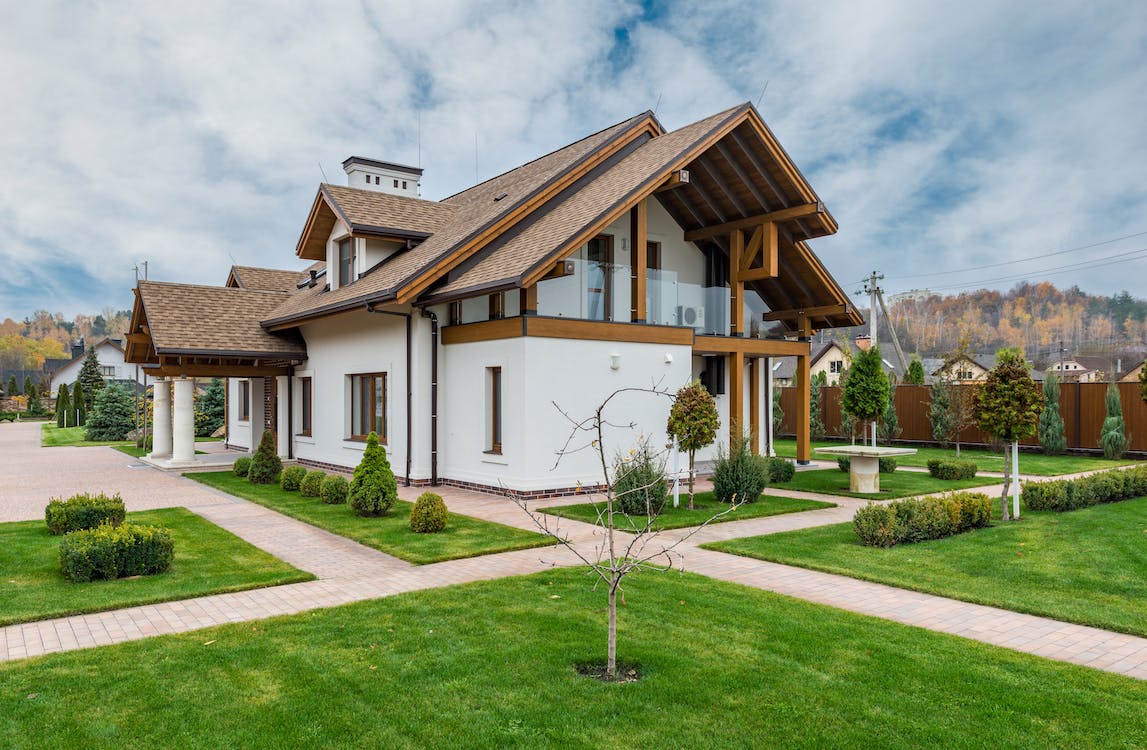
Landscaping is a powerful tool that can transform any space, adding beauty, functionality, and a sense of harmony with nature. Whether you have a sprawling garden or a small urban plot, incorporating landscaping into your design can elevate the aesthetics and create a welcoming atmosphere. In this article, we will explore creative ways to seamlessly blend landscaping into your overall design, allowing you to create a stunning and cohesive outdoor environment.
Step 1: Evaluate Your Space and Identify Key Areas
Begin by evaluating your space and identifying key areas where landscaping can make a significant impact. Consider both the hardscape and softscape elements. Look for opportunities to enhance the entryway, create focal points, define boundaries, or add visual interest to blank walls or corners. By understanding the unique characteristics of your space, you can determine the most effective ways to incorporate landscaping into your design.
Step 2: Define Your Design Style and Theme
To create a cohesive and visually pleasing outdoor environment, it's important to define your design style and theme. Are you drawn to a formal and structured look, or do you prefer a more relaxed and natural aesthetic? Consider elements such as colors, textures, and materials that will complement your overall design. Choosing a consistent design style will help tie together the landscaping elements with the rest of your space.
Step 3: Plan Your Plant Selection
Selecting the right plants is crucial for successful landscaping integration. Consider factors such as the climate, sunlight exposure, soil conditions, and maintenance requirements. Choose a mix of trees, shrubs, flowers, and groundcovers that will thrive in your specific environment. Aim for a combination of evergreen and seasonal plants to ensure year-round interest. Incorporate plants with varying heights, textures, and colors to create visual depth and drama.
Step 4: Create Visual Layers and Depth
Incorporating landscaping into your design involves creating visual layers and depth. Use plants of different heights and sizes to establish a sense of scale and proportion. Consider using taller trees or shrubs as a backdrop to frame your space and provide privacy. Layer plantings with cascading vines or groundcovers to soften hardscape edges. Introduce raised flower beds or planters to add additional levels and create a sense of dimension.
Step 5: Integrate Hardscape Elements
Landscaping is not limited to just plants. Hardscape elements, such as pathways, patios, retaining walls, and water features, play a vital role in creating a cohesive design. Incorporate these elements strategically to complement your landscaping and enhance the overall aesthetics. Use natural stone, pavers, or decorative concrete to create visually appealing walkways and seating areas. Integrate a water feature, such as a fountain or pond, to add a soothing and focal point to your landscape.
Step 6: Consider Functionality and Accessibility
Incorporating landscaping into your design goes beyond aesthetics. Consider the functionality and accessibility of your outdoor space. Ensure that pathways are well-designed and easily navigable. Create designated areas for seating, dining, or relaxation that harmonize with the surrounding landscaping. Incorporate lighting to enhance safety and usability during the evening hours. By prioritizing functionality, you can seamlessly blend landscaping elements with practical considerations.
Step 7: Incorporate Sustainable Practices
As you integrate landscaping into your design, consider incorporating sustainable practices. Choose native plants that require less water and maintenance, reducing the impact on the environment. Implement water-saving techniques, such as drip irrigation or rainwater harvesting. Incorporate permeable surfaces to minimize stormwater runoff. Embrace organic gardening practices and avoid harmful chemicals. By designing with sustainability in mind, you can create a landscape that is both beautiful and eco-friendly.
Incorporating landscaping into your design is a transformative process that adds depth, beauty, and harmony to your outdoor space. By evaluating your space, defining your design style, planning your plant selection, creating visual layers, integrating hardscape elements, considering functionality and accessibility, and incorporating sustainable practices, you can seamlessly blend landscaping elements with your overall design. Embrace the power of nature and create an outdoor environment that enchants the senses and provides a tranquil haven right at your doorstep. With thoughtful planning and attention to detail, you can transform an ordinary space into an extraordinary oasis that truly reflects your style and enhances your quality of life.


