How Do I Create An Open Floor Plan Design?
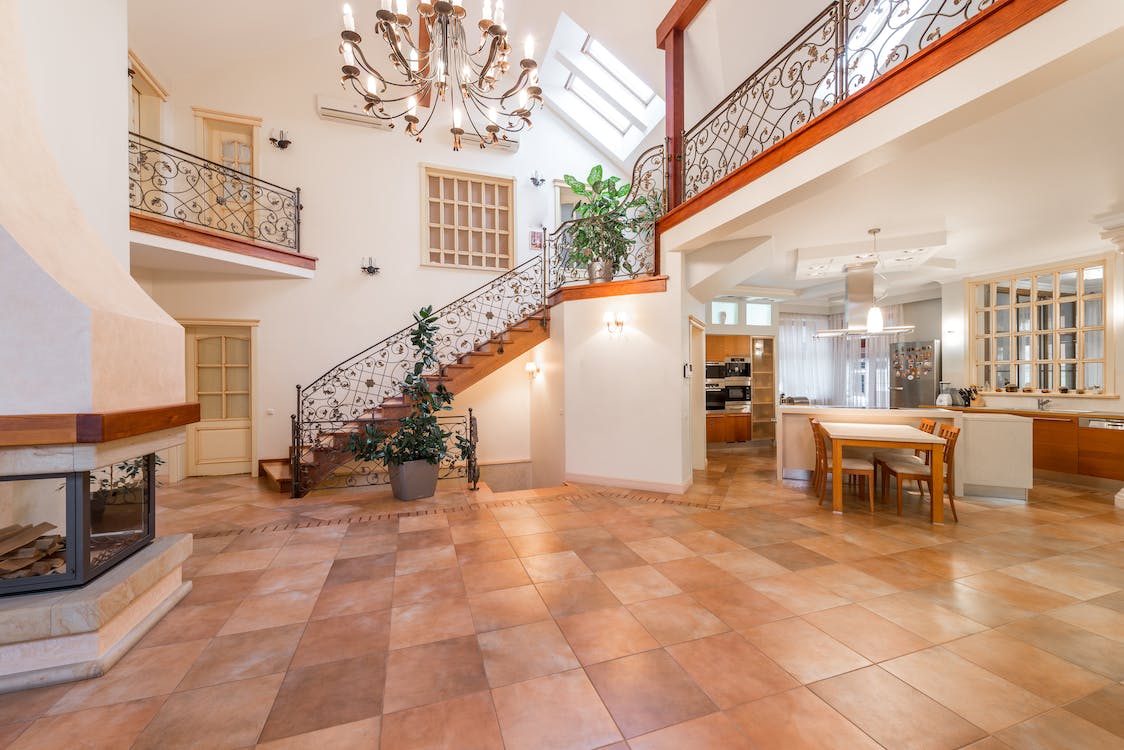
The concept of an open floor plan design has gained significant popularity in contemporary home design. It revolves around the removal of walls to establish a seamless connection between various living spaces. This design approach fosters a sense of spaciousness, facilitates the influx of natural light, and promotes social interaction. In this piece, we'll delve into strategies for crafting an open floor plan design for your residence.
Define the Space's Purpose
Before embarking on wall removal, it's imperative to clarify the intended function of each area. Do you aim to merge the living, dining, and kitchen spaces into a cohesive unit? Or do you seek to enhance the fluidity between a home office and a family room? Identifying the space's purpose will serve as a guiding principle for design decisions.
Strategize the Layout
Once the space's purpose is determined, meticulous planning of the layout is essential. Consider the dimensions and configuration of the room, and envisage how it can be segmented. Utilize quality furniture placement to delineate distinct zones for various activities, ensuring ample room for movement.
Eliminate Redundant Walls
A fundamental step in achieving an open floor plan is the removal of unnecessary walls. This may entail demolishing barriers between the living and dining areas or between the kitchen and family room. Seeking guidance from a structural engineer or contractor is advisable to ascertain the safe removal of walls.
Establish Visual Consistency
Consistency in visual elements plays a pivotal role in fostering an open floor plan ambiance. Employ a harmonious color palette and consistent flooring throughout the space to foster cohesion. Consider integrating area rugs to delineate different zones and introduce textural contrast.
Harness Lighting for Definition
Lighting serves as an effective tool for demarcating spaces within an open floor plan design. Implement pendant lights or chandeliers to accentuate the dining area, while recessed lighting provides overall illumination. Additionally, incorporate floor lamps or table lamps to infuse warmth into seating areas.
Incorporate Natural Elements
Integrating natural elements like plants or organic materials such as wood or stone can imbue the space with warmth and texture. Utilize plants as partitions or incorporate natural elements into accent pieces like coffee tables and side tables.
Crafting an open floor plan design revolves around fostering a seamless transition between different living spaces. By defining the space's purpose, strategizing the layout, eliminating unnecessary walls, maintaining visual consistency, utilizing lighting effectively, and incorporating natural elements, you can create an inviting, cohesive, and expansive living environment.


