How Do I Create A Design Plan For A Remodel Or Addition ?
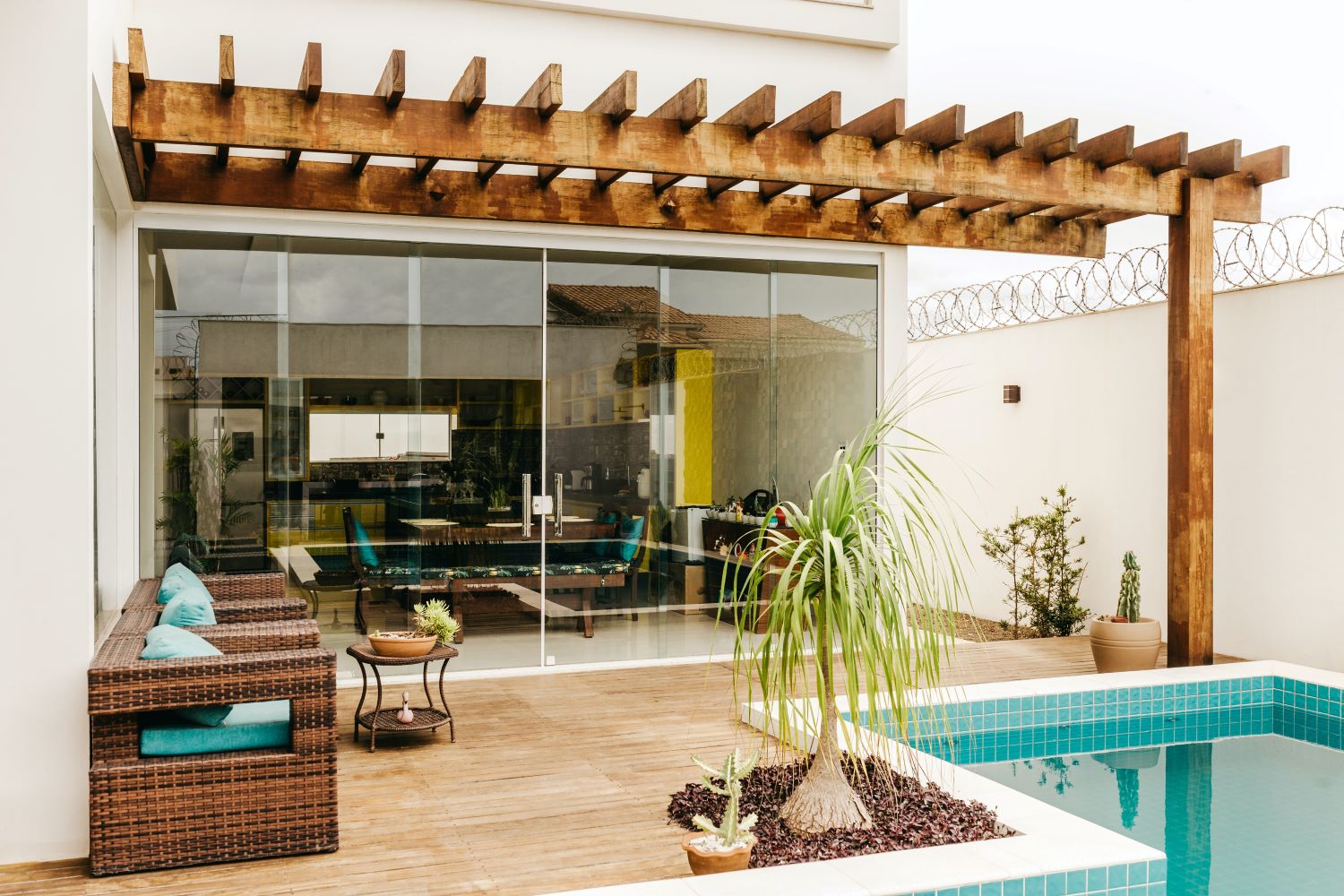
Embarking on a remodel or addition project is an exciting opportunity to transform your home and bring your design dreams to life. However, without a well-thought-out design plan, the process can become overwhelming and chaotic. A comprehensive design plan is the foundation for a successful project, ensuring that every aspect is considered and executed to perfection. In this article, we will explore the essential steps to create a design plan for your remodel or addition, empowering you to navigate the journey with clarity, creativity, and confidence.
- Define Your Goals and Objectives:
Before diving into the specifics, take the time to define your goals and objectives for the remodel or addition project. Consider what you hope to achieve—whether it's expanding your living space, improving functionality, or enhancing aesthetic appeal. Reflect on your lifestyle, needs, and aspirations for the space. This initial step will guide your decision-making process and help you stay focused on your desired outcomes.
- Assess the Existing Space:
Next, conduct a thorough assessment of the existing space. Take measurements, evaluate the structural integrity, and identify any limitations or challenges that need to be addressed. Understand the flow of the space and how it currently serves your needs. Consider the architectural style and features that you want to preserve or incorporate into the new design. This assessment will provide a clear understanding of the space's potential and inform your design choices.
- Research and Gather Inspiration:
Research and gathering inspiration are essential components of creating a design plan. Explore design magazines, online platforms, and social media to discover ideas, styles, and trends that resonate with your vision. Create a mood board or a collection of images that capture the essence of your desired aesthetic. This process will help you articulate your preferences and serve as a reference throughout the project.
- Work with a Professional:
Engaging with a professional designer or architect is highly recommended, especially for complex remodels or additions. Their expertise and experience will bring valuable insights and ensure that your design plan is practical, structurally sound, and aesthetically pleasing. Collaborate with them to translate your vision into a cohesive and actionable plan. They can help with space planning, material selection, and provide guidance on permits and building codes.
- Determine the Scope and Budget:
Clearly defining the scope of the project is crucial to stay within budget and ensure a successful outcome. Identify the specific areas or rooms to be remodeled or added, and outline the key features and elements you want to incorporate. Consider the timeline for the project and any potential disruptions to your daily routine. Establishing a realistic budget is equally important. Research the costs of materials, labor, permits, and other associated expenses to set a financial framework.
- Space Planning and Layout:
Space planning and layout are pivotal aspects of your design plan. Assess how the space will be used, the flow between different areas, and how the new elements will integrate with the existing structure. Consider functionality, traffic patterns, and storage needs. Experiment with different configurations and furniture placements to optimize the space and create a harmonious layout. A well-planned design will enhance usability and maximize the potential of the area.
- Material Selection:
Selecting materials is an exciting phase of the design plan. Consider the desired aesthetic, durability, maintenance requirements, and cost when choosing materials for flooring, countertops, cabinetry, fixtures, and finishes. Seek advice from professionals and suppliers to ensure the materials align with your design vision and budget. Samples and swatches are invaluable tools for visualizing the final result and making informed decisions.
- Lighting and Electrical Planning:
Lighting is a crucial element in any design plan. Assess the existing lighting conditions and determine if any changes or additions are necessary. Plan the placement of overhead lights, task lighting, accent lighting, and natural light sources to create a balanced and inviting ambiance. Evaluate electrical needs, such as outlets and switches, to accommodate modern-day technology and appliances.
- Consider Sustainability and Energy Efficiency:
Incorporating sustainable and energy-efficient elements into your design plan is not only beneficial for the environment but also for long-term cost savings. Explore options for eco-friendly materials, energy-efficient appliances, water-saving fixtures, and smart home technologies. Consult with professionals who specialize in sustainability to optimize your remodel or addition's eco-consciousness.
- Obtain Permits and Approvals:
Before commencing any construction, ensure that you obtain the necessary permits and approvals from local authorities. Work with your designer or architect to navigate the regulatory requirements and adhere to building codes. This step is essential to avoid delays, penalties, and ensure the safety and legality of your project.
Creating a design plan for a remodel or addition project sets the stage for a successful transformation of your living space. By defining your goals, assessing the existing space, researching, working with professionals, determining scope and budget, space planning, selecting materials, planning lighting and electricals, considering sustainability, and obtaining permits, you can embark on the journey with confidence and clarity. Embrace the process as an opportunity to unleash your creativity and bring your dream home to fruition. With a well-executed design plan, your remodel or addition will be a testament to your personal style and a space that perfectly suits your lifestyle.


