How Do I Ceate A Cohesive Design In My Home ?
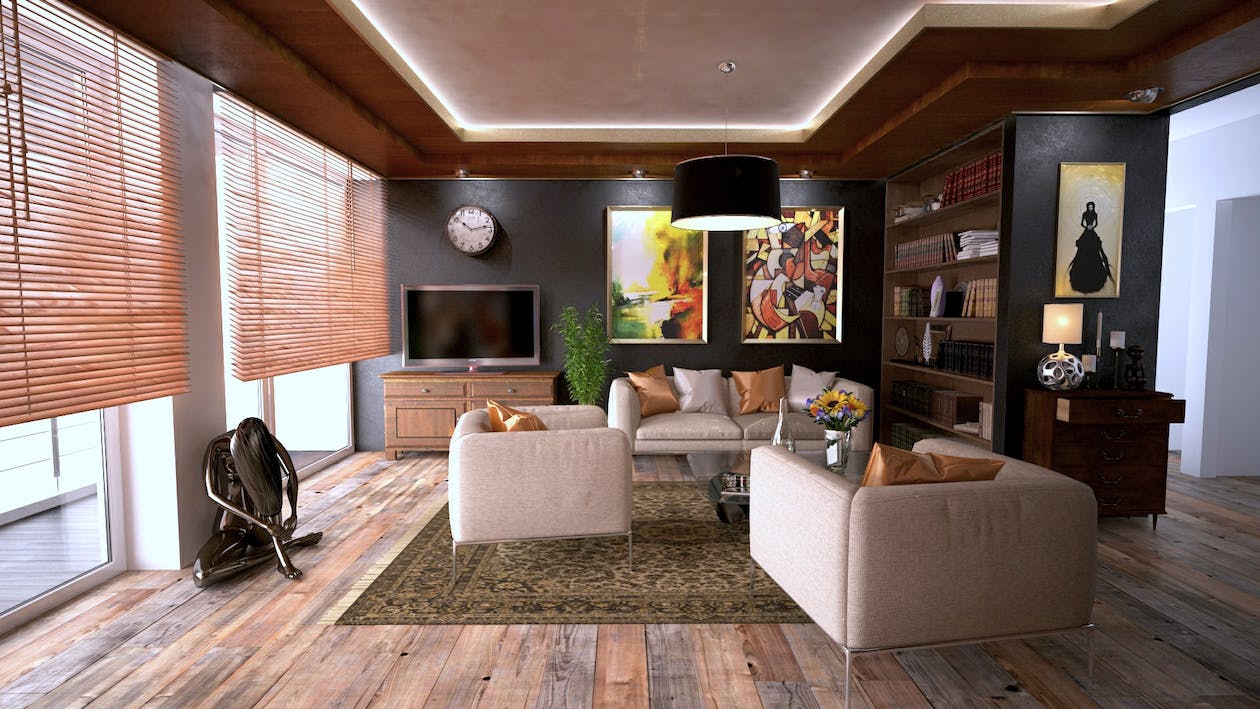
Creating a cohesive design in your home is about bringing together different elements to create a sense of harmony and unity. When every room flows seamlessly from one to another, it creates a welcoming and visually pleasing environment. In this article, we will explore creative and practical ways to create a cohesive design in your home, allowing you to curate a space that feels connected and balanced throughout.
Establish a Consistent Color Palette
Start by establishing a consistent color palette that flows throughout your home. Choose a primary color and a few complementary hues that will serve as the foundation for your design. Consider the mood and atmosphere you want to create in each room and select colors accordingly. By using a consistent color scheme, you create a visual connection between spaces, making your home feel cohesive.
Define a Design Style
Determine a design style that reflects your personal taste and resonates with you. Whether it's modern, rustic, eclectic, or minimalist, having a defined style will provide a cohesive framework for your design choices. Research and gather inspiration to understand the key elements and characteristics of your chosen style, and apply them consistently throughout your home.
Pay Attention to Flooring and Wall Treatments
Flooring and wall treatments play a crucial role in creating a cohesive design. Consider using the same type of flooring material, such as hardwood or tile, throughout the main living areas to establish a seamless flow. If you prefer different flooring materials, ensure they complement each other in color and texture. Similarly, select wall treatments that complement your overall design style and color palette, creating a unified backdrop for your decor.
Maintain Consistent Furnishings
Choose furnishings that align with your design style and maintain consistency in terms of scale, materials, and finishes. While you can introduce variations in furniture styles to add interest, strive for a common thread that ties everything together. For example, you could use similar wood finishes or stick to a specific material like leather or upholstered pieces in coordinating colors. Consistency in furnishings helps create visual continuity and a cohesive look.
Coordinate Accessories and Décor
Coordinate your accessories and décor items to reinforce the cohesive design. Choose items that complement your color palette and design style. Look for common elements, such as similar textures or patterns, to tie everything together. Arrange your accessories thoughtfully, considering balance, proportion, and focal points. A well-curated collection of items that relate to each other visually will enhance the overall cohesiveness of your home.
Consider Sightlines and Flow
Pay attention to sightlines and the flow of your home. Ensure that when you enter a room, your eye is drawn to a focal point or a visually pleasing element from the adjacent spaces. Maintain clear pathways and avoid obstructing views with bulky furniture or excessive clutter. By creating a seamless flow and visual connections between rooms, you enhance the overall cohesiveness of your home's design.
Embrace Transitional Spaces
Transitional spaces, such as hallways or entryways, play a vital role in creating a cohesive design. Treat these areas as opportunities to establish a design bridge between different rooms. Use elements like artwork, lighting, or color accents to create a smooth transition and maintain a sense of continuity as you move from one area to another.
Trust Your Intuition
Above all, trust your intuition and personal style. While following design principles is essential, it's equally important to infuse your unique personality and preferences into your home. Trust your instincts when selecting pieces or making design choices. Your home should reflect your individuality and make you feel comfortable and inspired.
Creating a cohesive design in your home is about establishing a harmonious flow and visual unity between different spaces. By employing consistent color palettes, defining a design style, paying attention to flooring and wall treatments, maintaining consistent furnishings, coordinating accessories and décor, considering sightlines and flow, embracing transitional spaces, and trusting your intuition, you can curate a home that feels connected and balanced. Enjoy the process of creating a cohesive design, and let your home become a true reflection of your personal style and taste.


