Exploring the Importance of Texture in Interior Design
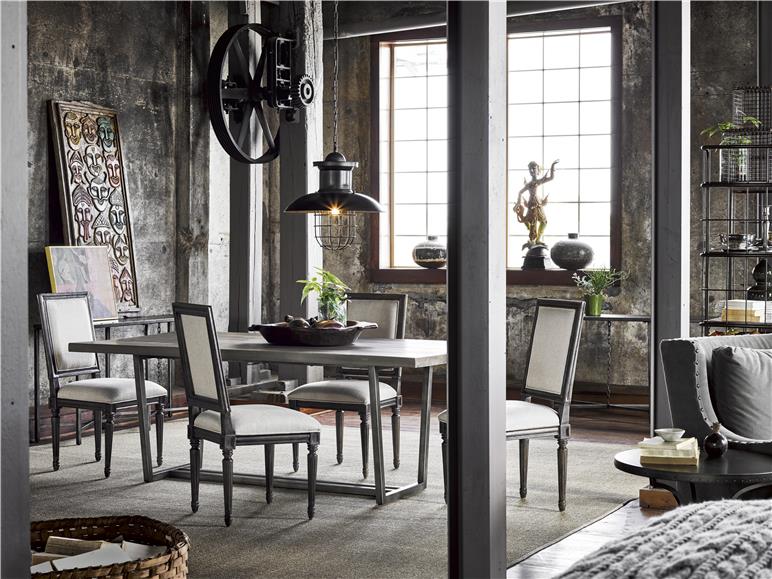
When contemplating the creation of a captivating interior, one must delve into the realm of texture. The importance of texture in interior design transcends mere aesthetics, shaping the very essence of a space. Let's embark on a journey to uncover how interior design texture enriches our living environments.
Understanding Texture in Interior Design
Texture in interior design embodies the tactile and visual sensations evoked by surfaces. Its role extends beyond the tangible, as it weaves depth and character into every corner of a room, captivating both the eye and the soul.Elevating Visual Appeal
Texture serves as a potent tool for elevating visual appeal within a space. By harmonizing diverse textures, designers orchestrate a symphony of contrasts, infusing vitality and intrigue into the ambiance. Imagine the allure of a sleek marble countertop juxtaposed with the warmth of a woven rattan chair—a testament to the power of texture.Embracing Comfort and Warmth
In the pursuit of coziness and warmth, texture emerges as a steadfast ally. Soft, velvety textures beckon weary souls to sink into plush cushions, while rugged textures exude a rustic charm that envelops the senses. Through the artful selection of textiles and materials, designers infuse spaces with an embrace of comfort and solace.Harmonizing Acoustics
Beyond its visual allure, texture holds sway over acoustic landscapes. Soft, porous textiles absorb sound waves, tempering echoes and fostering a serene auditory environment. Thus, interior design texture not only delights the eye but also nurtures the ear, ensuring a harmonious symphony of sensory experiences.Accentuating Architectural Marvels
Texture serves as a spotlight, illuminating architectural marvels and design focal points. A textured accent wall bestows prominence upon a roaring fireplace, while rugged brickwork pays homage to a space's historical legacy. Through thoughtful application, texture breathes life into architectural features, inviting admiration and reverence.Striking a Balance
Central to its essence, texture holds the key to achieving balance within a room. By juxtaposing rough with smooth, matte with glossy, designers orchestrate a delicate equilibrium that captivates the senses. In this dance of contrasts, interior design texture emerges as the maestro, conducting a symphony of visual harmony.Conclusion
In essence, the importance of texture in interior design lies in its ability to transcend the mundane, transforming mere spaces into havens of beauty and tranquillity. As we navigate the intricacies of design, let us heed the call of texture, embracing its power to enchant, comfort, and inspire. For in the tapestry of design, texture emerges as a timeless muse, beckoning us to explore the depths of creativity and imagination.
Recent Posts


