Designing a Home Library: A Comprehensive Guide
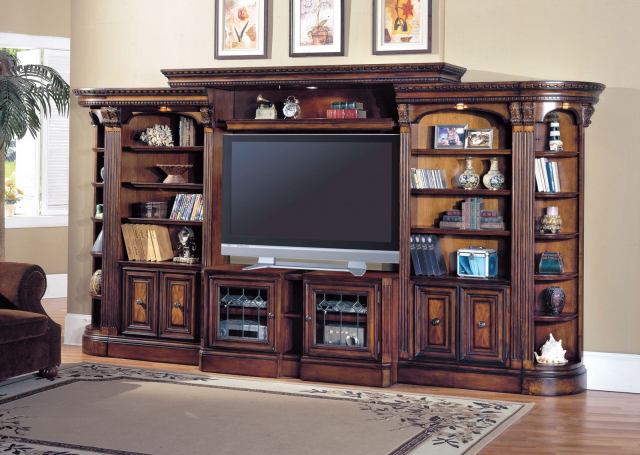
Creating a haven of knowledge and relaxation within your home is a cherished aspiration for many. If you're an avid reader or someone who craves a serene space for work or study, a home library or study can be the perfect solution. Designing such a space requires thoughtful planning and consideration of various factors, from layout and furniture selection to lighting and decor. In this guide, we'll delve into the intricacies of designing a home library, helping you bring your vision to life.
Assess Your Space and Needs
Before diving into the design process, take stock of your available space and your specific requirements. Consider factors such as the size of the room, natural light sources, and the intended primary use of the space. Do you envision a cozy reading nook, a dedicated study area, or a multifunctional space that serves both purposes? Understanding your needs will inform every subsequent decision in the design process.
Choose the Right Location
The location of your home library or study is crucial to its functionality and ambiance. Ideally, select a quiet area away from high-traffic zones to minimize distractions. Rooms with ample natural light are particularly conducive to reading and studying. If possible, opt for a space with a view, as it can enhance the overall experience of spending time in your library.
Plan the Layout
Once you've identified the ideal location, plan the layout of your home library or study. Consider factors such as the placement of shelves, seating arrangements, and work surfaces. Aim for a layout that promotes ease of movement and accessibility to books and other resources. Experiment with different configurations until you find one that maximizes both functionality and aesthetics.
Invest in Quality Shelving and Storage
Central to any home library design is the shelving and storage solutions you choose. Invest in high-quality bookcases or shelves that not only provide ample storage space but also complement the overall design aesthetic of the room. Consider factors such as material, style, and adjustable shelving options to accommodate books of varying sizes.
Prioritize Comfortable Seating
Comfortable seating is essential for long reading sessions or extended periods of study. Choose seating options that prioritize both comfort and style, such as plush armchairs, ergonomic desk chairs, or cozy window seats. Incorporating seating with built-in storage can also help maximize space efficiency in smaller rooms.
Focus on Lighting
Effective lighting is critical in any home library or study. Aim for a combination of natural and artificial lighting sources to create a well-lit and inviting environment. Position reading lights strategically near seating areas and task lighting over work surfaces to minimize eye strain and enhance visibility. Consider installing dimmer switches to adjust lighting levels according to your preferences and activities.
Personalize with Decor and Accents
Make your home library or study truly your own by infusing it with personal touches and decor accents. Display cherished books, artwork, or mementos that reflect your interests and personality. Incorporate elements such as rugs, curtains, and throw pillows to add warmth and texture to the space. Experiment with color schemes and patterns that evoke a sense of tranquility and inspiration.
Create a Functional Work Area
If your home library doubles as a study or home office, prioritize creating a functional work area. Invest in a sturdy desk or workstation that offers ample surface space for tasks such as writing, computer work, or crafting. Organize supplies and materials in accessible storage solutions to minimize clutter and promote productivity.
Consider Acoustic Solutions
For optimal concentration and focus, consider incorporating acoustic solutions into your home library design. Soft furnishings such as rugs, curtains, and upholstered furniture can help absorb sound and reduce echoes, creating a quieter and more conducive environment for reading and study.
Adapt and Evolve Over Time
Lastly, remember that designing a home library is an ongoing process that can evolve over time. As your interests, needs, and preferences change, don't be afraid to adapt and update your space accordingly. Whether it's adding new furniture, rearranging existing elements, or refreshing decor accents, embrace the opportunity to continually refine and enhance your home library or study.
In conclusion, designing a home library is a rewarding endeavor that allows you to create a personalized sanctuary for learning, relaxation, and reflection. By carefully considering factors such as space planning, furniture selection, lighting, and decor, you can bring your vision of the perfect home library to life. Remember to prioritize functionality, comfort, and personalization, and enjoy the process of transforming your space into a haven of knowledge and inspiration.


